
SOLUTION / MILLING CENTERS
Dental CAM Workflows for
High-Volume Milling Centers
WORKNC DENTAL helps milling centers manage high-volume production, multiple machines, recurring cases
and automated CAM workflows with greater consistency and control.
As production volume increases, repetitive CAM tasks can slow down the entire manufacturing process. Teams need to process incoming files, apply preparation rules, choose materials, launch calculations and organize production without losing consistency.Automation helps reduce manual workload, standardize recurring operations and keep production moving across shifts, operators and machines.
AUTOMATION CHALLENGES
Manual CAM preparation can become a production bottleneck
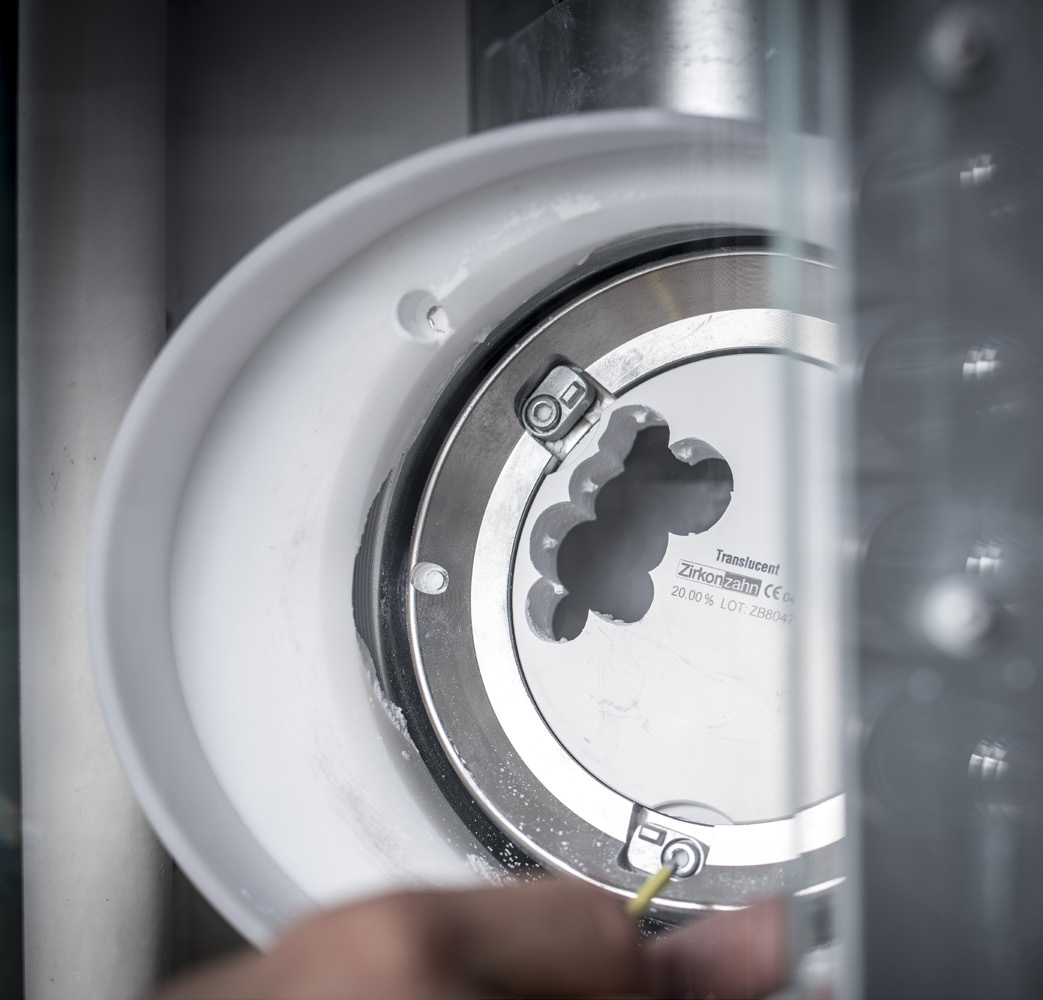
How WORKNC DENTAL supports automation
From guided preparation to rule-based workflows, the ecosystem helps teams move progressively toward automated production.
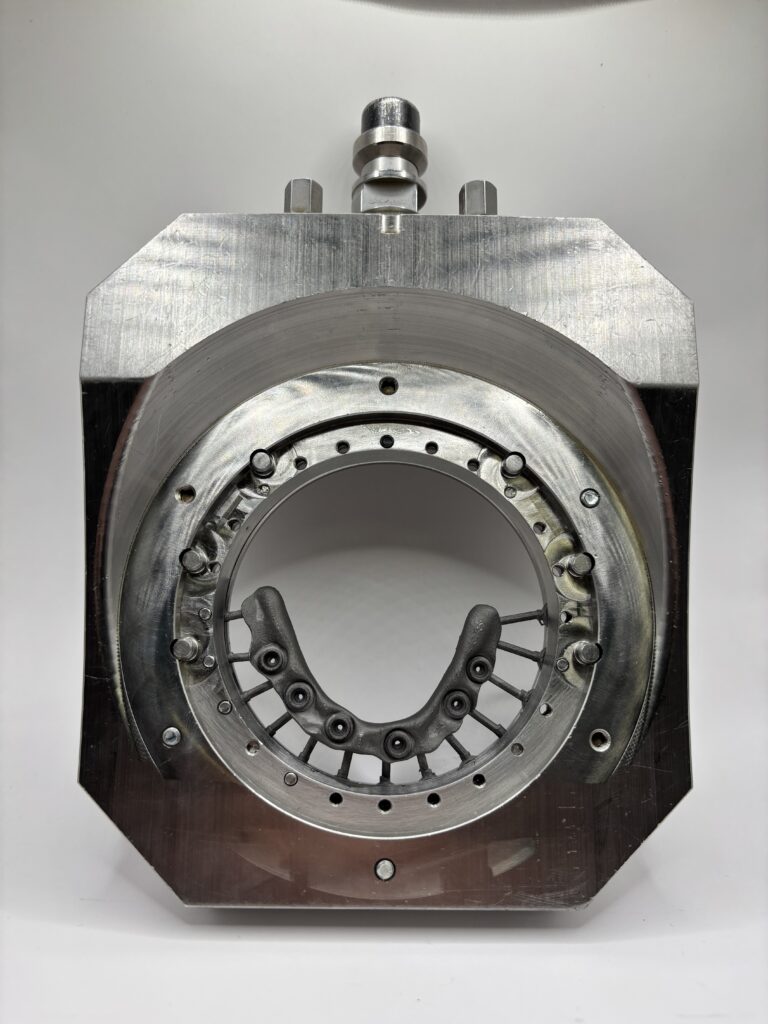
Auto Order
Monitor incoming files, create CAM projects and launch calculations through predefined rules.
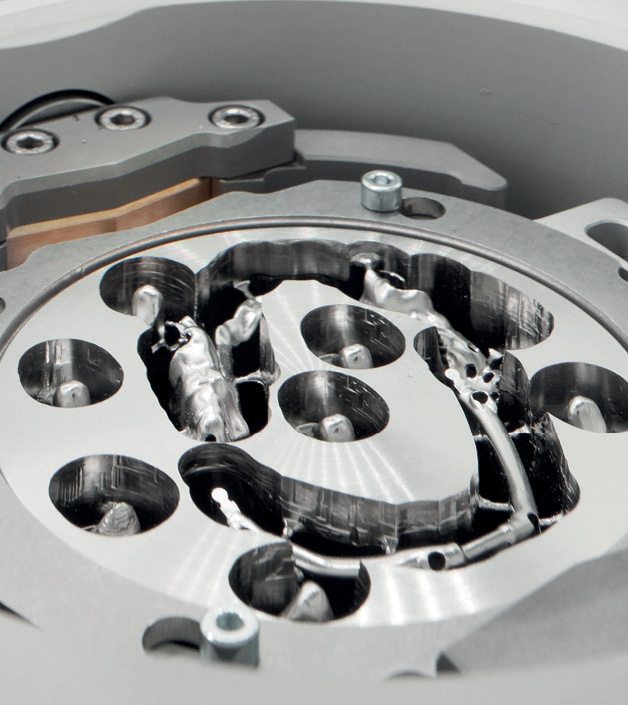
Rule-Based Preparation
Standardize recurring CAM operations according to materials, indications and production settings.
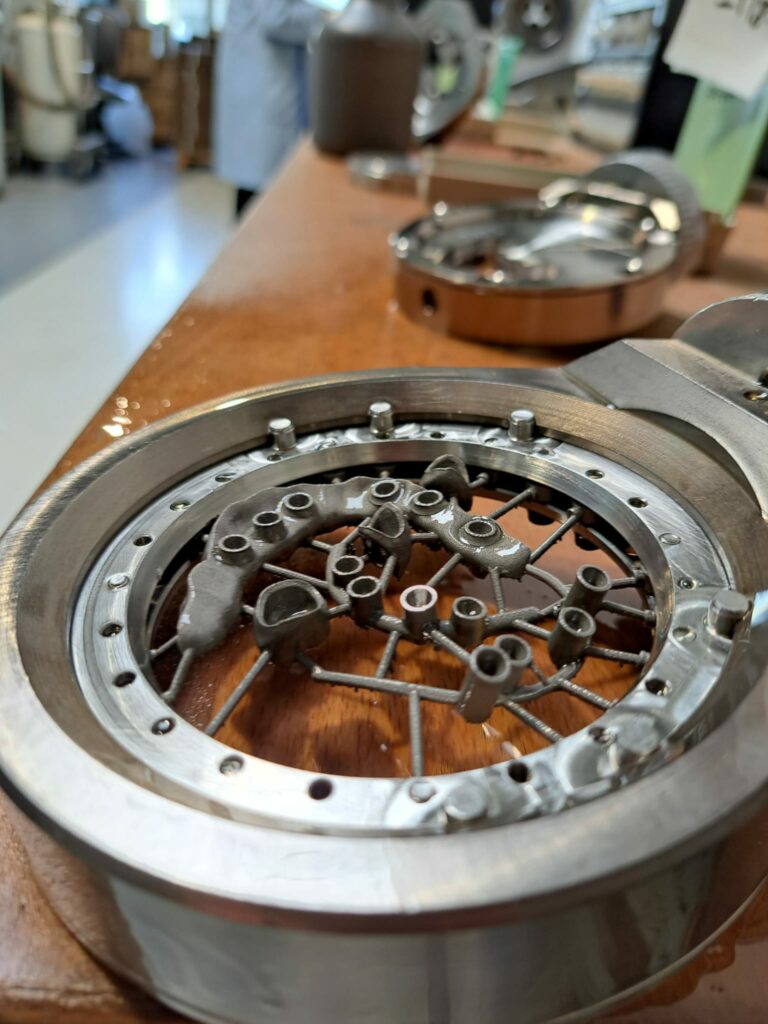
Connected Data
Use shared databases, machine configurations and stock materials to support consistent workflows.
Scalable Manufacturing
Build a production environment that can evolve from manual preparation to automated and connected workflows.
From incoming files to calculated CAM projects
With WORKNC DENTAL EVO and Auto Order, production teams can structure repetitive CAM preparation around predefined rules. Incoming files can be monitored, recognized and transformed into CAM projects with less manual intervention.This workflow helps laboratories and milling centers reduce repetitive actions, improve consistency and prepare production data more efficiently before manufacturing
1. Incoming file monitoring
2. STL recognition
3. Rule-based project creation
4. Stock and material selection
5. Toolpath calculation
6. Production output